


Packing up a four-bedroom home, wrapping fragile heirlooms, and sorting out international visas is exhausting work, yet any parent who has done it before will tell you that the logistics are not the hardest part of the move, because watching your child cry over leaving their best friend is what really weighs on you. Emotional preparation for kids is the most overlooked piece of any international relocation, and it is also the most important one.
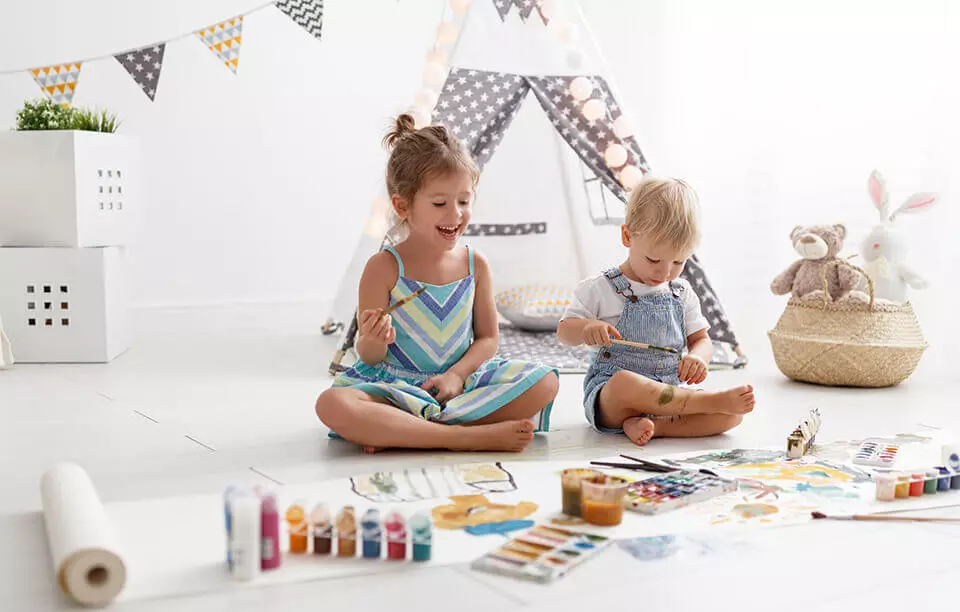
Most parents carry a quiet guilt when they break the news to the family, even though deep down you know this move is the right call, whether it is for a career opportunity, a healthier lifestyle, or the chance to live closer to grandparents. Then you see your child’s eyes well up and the guilt gets louder, but your stress is completely normal and your worry is entirely valid. This move can become the best adventure your kids ever have, as long as you take the right approach, show a little patience, and accept the willingness to hand off the heavy lifting so you can focus on what really matters: your family.
Why Kids React So Strongly to an International Move
To you, the move is a checklist, but to your child, it feels like the world is shifting under their feet.
Children build their sense of safety on predictability, whether that is the walls of their bedroom, the path to school, or the neighbor who waves every morning. Those small things hold up their daily security, so when you suddenly pull those pillars away, the reactions you see are not bad behavior but rather a form of grief that needs time and space to process.
Toddlers and Preschoolers (Ages 0 to 4)
Little ones do not have the words to say, “I’m scared and overwhelmed,” so they show you instead through behaviors like:
- Thumb-sucking returning after months without it
- Sleep regressions and stubborn bedtime resistance
- Stronger separation anxiety at daycare or with babysitters
They sense the change coming and instinctively reach for whatever feels safe and familiar.
School-Age Children (Ages 5 to 11)
This age group lives for their friends and their daily routine, so when you threaten both at once, the reaction usually shows up as:
- Sudden bursts of anger or stubbornness
- Constant complaints about how “unfair” the move is
- Refusing to talk about it or pretending it isn’t happening
Teenagers (Ages 12 to 18)
For a teen, the friend group basically is their identity, so telling them you are moving abroad can feel like you are erasing who they are. You should expect things like:
- Long stretches behind a closed bedroom door
- Refusing to help with packing or planning
- Resentment pointed straight at you
Once you see these reactions for what they really are (fear wearing different costumes), you can stop trying to “fix” them and start sitting with your child in the discomfort, which is where real connection actually happens. While leaving is undeniably hard, arriving will be wonderful, and both of these realities can exist at the same time.
How to Help Your Kids Settle In at Every Age
The biggest gift you can give your kids during a relocation is a sense of control and predictability, and here is what that looks like in practice, broken down by age.
Helping Toddlers and Preschoolers Feel Safe
Read about it together. Pull out children’s books about packing, airplanes, and new houses a few months before the move, so the whole idea starts to feel familiar and even fun by the time the boxes appear.
Create a “Do Not Pack” box. Let your child decorate a bright, colorful box that holds their absolute must-haves, like the favorite blanket, the stuffed bear with one ear missing, or the nightlight that keeps the monsters away. This box travels with them on the plane, so their comfort never has to leave their side during the journey.
Easing the Transition for School-Age Kids
Take a virtual tour together. Use Google Street View to walk your child from their new front door to their future school, and show them the local park, the ice cream shop, and the library along the way. Since most of the fear lives in the unknown, the more they see in advance, the less scary the whole picture becomes.
Let them design their new bedroom. Give them a small budget and full creative freedom over new bedding, paint colors, posters, and wall decals, and let them shop online before you even land. When kids have something exciting to build, they spend far less energy mourning what they are leaving behind.
Supporting Teens Through a Major Life Change
Hand them the goodbye playbook. A farewell weekend with their closest friends, a going-away party, or one last road trip can all work beautifully, so whatever closure looks like for them, you should simply fund the experience and let them plan it on their own terms without hovering over them.
Protect their friendships. Remind your teen that they are not losing their best friends, but rather upgrading to a long-distance version of the same friendship they already have. Splurge on the best internet package at your new home, set up their gaming rig the day you arrive, and make sure those video calls happen without a hitch, because their social lifeline matters more than the furniture.


The Smartest Parenting Move: Hire Professional International Movers
You simply cannot be a calm, present parent if you are running on three hours of sleep and a fistful of packing tape, no matter how much you want to be.
Many families try to handle an international move on their own to save money, only to end up regretting it later on. When you are wrapping dishes at 2 AM, snapping at your partner over a missing toolbox, and panicking about customs paperwork, your kids feel every bit of that chaos and start to associate the move with stress, tension, and conflict, which is the worst possible framing for the new chapter you are about to start.
Hiring an experienced international moving company is not a luxury in this situation, but a real parenting decision. At My International Movers, we do not just see ourselves as a logistics partner, but as a genuine partner in your family’s well-being through every step of the relocation.
When a professional team handles the packing, inventory, furniture disassembly, and ocean or air freight, you get something far more valuable than convenience in return, because you get your time back and finally get to:
- Take your kids out for one last ice cream at the place they love
- Sit on the floor and hold your teenager when the tears come
- Show up at the final school recital, calm and fully present
- Sleep, eat properly, and enjoy the last weeks in your home
The physical labor of an international move drains the exact emotional energy your family needs most, so outsourcing it is one of the smartest investments you can make in your kids during this transition.
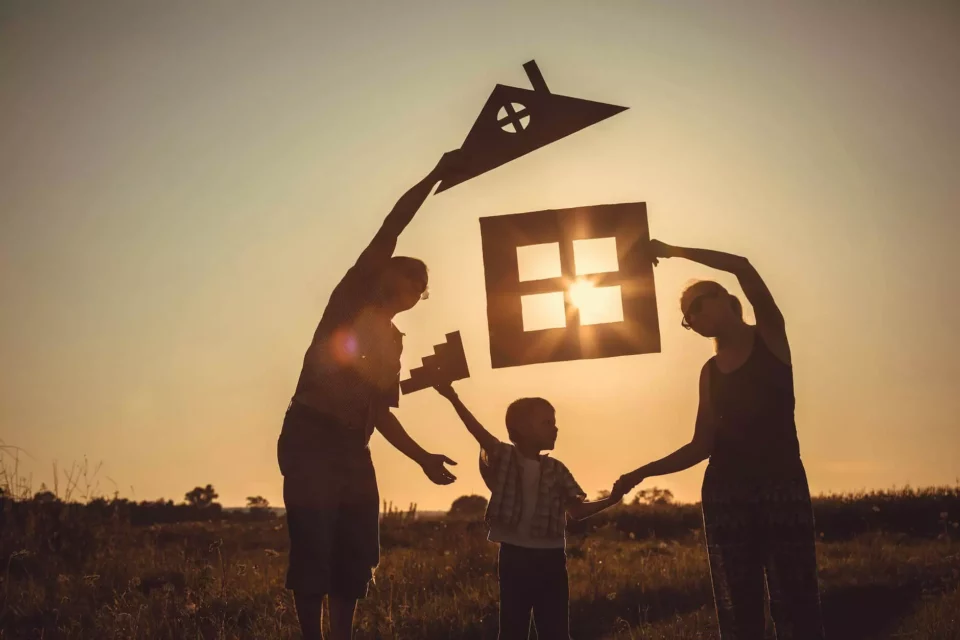
A Calm Budget Builds a Calm Home
Money stress spreads through a household faster than a cold, so if you are losing sleep over hidden fees and surprise charges, your kids will pick up on it without ever hearing a single word about money.
A clear, predictable budget is your shield against panic, so when planning an international move, you should lock down these three pillars:
- Binding, flat-rate quotes. Always insist on a written estimate based on a proper virtual or in-home survey, since this protects you from “hostage freight” situations where the price doubles once your belongings are already loaded.
- Full-replacement value insurance. Never ship internationally without it, because knowing your belongings are financially protected is what lets you actually sleep at night.
- Temporary housing. Budget for 2 to 4 weeks in a furnished short-term rental while your shipment clears customs and arrives at your new address.
Transparent costs lead to calm parents, and calm parents tend to raise kids who handle change with much more grace.
Selling the New Country: Turn Worry Into Excitement
Once the goodbyes are processed and the logistics are in motion, it is time to shift gears and play tour guide and cheerleader for the family.
Your job now is to answer the one question your child cannot stop turning over in their head: what is life actually going to be like over there? You can do this by:
- Pulling up videos of the beaches, mountains, parks, and playgrounds near your new home
- Talking about the food, the pastries, the street snacks, and the desserts they have never tried
- Showing them what their new school looks like and bragging about the cool stuff it has
- Letting them follow local social media accounts so they start feeling a connection before they ever land
When kids begin to picture themselves laughing, eating, and exploring in their new city, fear naturally turns into curiosity, and that single shift truly changes everything about how the move feels.
You Do Not Have to Carry This Alone
Moving across the world is a huge undertaking, but it does not have to be traumatic for your kids or for you. When you understand the emotional weight your children carry, give them room to feel it, and slowly paint a picture of the wonderful life waiting on the other side, you set the stage for a chapter your family will look back on with genuine pride.
Moving is very much a team sport, and you do not have to be the packer, the planner, the therapist, the cheerleader, and the parent all at once. Instead, you can let an experienced international moving company handle the boxes, the bubble wrap, and the ocean freight, while you handle the hugs, the goodbyes, and the future, because that is the trade that truly changes everything for your family.
FAQ
1. How long does it take for kids to adjust to life abroad?
Every child adjusts on their own timeline, but child psychologists generally point to a 6 to 12 month adjustment window. The first three months often feel like either a “honeymoon” phase, where everything is exciting and new, or a “crisis” stretch filled with intense homesickness. By the six-month mark routines start to settle, and by the one-year mark the new place genuinely feels like home, so patience matters more than anything else during that first year.
2. Is it better to move during the school year or over the summer?
Both options have real upsides worth considering. Summer moves give kids time to adjust to the new time zone, decompress, and explore without academic pressure. Mid-year moves, on the other hand, push kids straight into socialization, and because classes are already in full swing, teachers and classmates often go out of their way to welcome the new student. A summer arrival can sometimes feel isolating, while a mid-year arrival can plug your child into a community within days, so since there is no universally right answer, you simply need to find the timeline that works best for your family.
3. How can we help our kids stay close to their old friends across time zones?
You can lean on technology by setting up a dedicated tablet or smart display in your new home just for staying in touch with old friends. From there, schedule weekend gaming sessions where they can play together over voice chat, and use apps that let kids watch movies at the same time from different countries, because the digital lifeline keeps old friendships alive while the new ones quietly grow.
4. What is "relocation regression" and should we be worried?
It is very real and very common in families that move abroad. Relocation regression is a temporary backslide in a child’s developmental progress caused by the stress of a major move, so a potty-trained toddler might start having accidents, an independent eight-year-old might suddenly refuse to sleep alone, or a normally chatty teen might go silent for weeks. You should not punish these behaviors, but rather treat them as a sign that your child needs more reassurance and physical closeness, because once their new environment feels predictable again, the regression fades on its own.
5. How do we help our kids overcome a language barrier?
You can start before you move with language-learning apps designed for kids (like Duolingo Kids, Gus on the Go, or Lingokids) that make early exposure feel like play instead of homework. Once you arrive, enroll them in local sports, art, or music classes where they can pick up the language naturally through real interaction, because kids absorb new languages much faster than adults give them credit for, and within a year, you might find yourself relying on them to translate the menu.