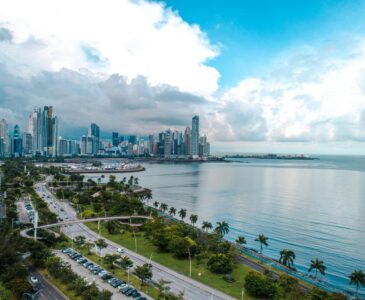


Every year, thousands of Americans trade daily commutes for ocean views, and moving to Costa Rica from the USA has become one of the most popular relocation decisions in Latin America. The appeal is easy to understand: affordable healthcare, a slower pace of life, and a community that has welcomed expats for decades. Still, a move of this size takes more than enthusiasm and a plane ticket.
What Is It Like Living in Costa Rica
So, what is it like living in Costa Rica on a daily basis? For most Americans, it means a noticeably slower rhythm, closer relationships with neighbors, and a different relationship with time itself. Leaving the United States for Central America means adjusting your entire pace of life, and the hustle culture that shapes so much of the American workday barely exists here.
The Pura Vida Mindset
Ask any local what keeps them happy and you will likely hear the phrase Pura Vida, which translates to pure life. Costa Ricans use it as a greeting, a way to say thank you, and a general outlook on how to approach each day. It reflects a culture built around family time, community connection, and appreciating small moments rather than chasing constant productivity.
For newcomers, this shift takes some adjustment. Many Americans arrive with a packed schedule and a habit of measuring the day by how much got done. Within a few months, most expats notice their stress levels drop as they settle into a rhythm that values presence over hustle.
Slower Pace, Different Rules
The same relaxed attitude that makes Costa Rica appealing can also test your patience when it comes to paperwork and daily errands. Opening a bank account, for example, often requires multiple in person visits, several documents, and a fair amount of waiting. Setting up home internet or utilities can take weeks rather than days, depending on your location.
Locals often call this Tico Time, a good natured acknowledgment that schedules are more like suggestions than commitments. A repair appointment set for 10 a.m. might not happen until after lunch. Once you accept that things move at their own pace, the frustration fades and the actual Pura Vida lifestyle starts to make sense.
Healthcare in Costa Rica: Quality Care Without the US Price Tag
One of the biggest draws for Americans considering this move is the healthcare system. Costa Rica consistently ranks among the top healthcare systems in Latin America, and most expats end up using a mix of public and private coverage depending on the situation.
The CAJA Healthcare System Explained
Once you become a legal resident, whether through retirement, investment, or a digital nomad visa, you are required to enroll in the CAJA healthcare system, formally known as the Caja Costarricense de Seguro Social. Monthly payments are based on a percentage of your declared income, typically landing between 7% and 11%.
In exchange, CAJA covers doctor visits, prescriptions, surgeries, and emergency care with no copays or deductibles. The tradeoff is wait time. Non emergency procedures and specialist appointments can take weeks or months to schedule through the public system.


Private Healthcare in San José and Beyond
Many expats pair CAJA with private insurance or simply pay out of pocket for private care to skip the wait. San José is home to internationally accredited hospitals such as Hospital CIMA, Clínica Bíblica, and Hospital Metropolitano, all staffed with English speaking doctors trained in the United States.
Private care remains remarkably affordable. A specialist visit typically runs $60 to $80, and procedures like joint replacements or dental implants often cost half to a third of what they would in the US. For many people, this mix of quality and affordability is reason enough to make the move.
Best Neighborhoods in Costa Rica for Expats
Tamarindo and the Gold Coast
Tucked into the dry, sunny province of Guanacaste, Tamarindo draws surfers, remote workers, and retirees looking for an established expat community. English is widely spoken, infrastructure is solid, and the beach access is hard to beat.
The tradeoff is cost. Tamarindo ranks among the more expensive areas in the country, and its popularity with tourists can make it feel less like authentic Costa Rica and more like a resort town.
Jacó and the Central Pacific
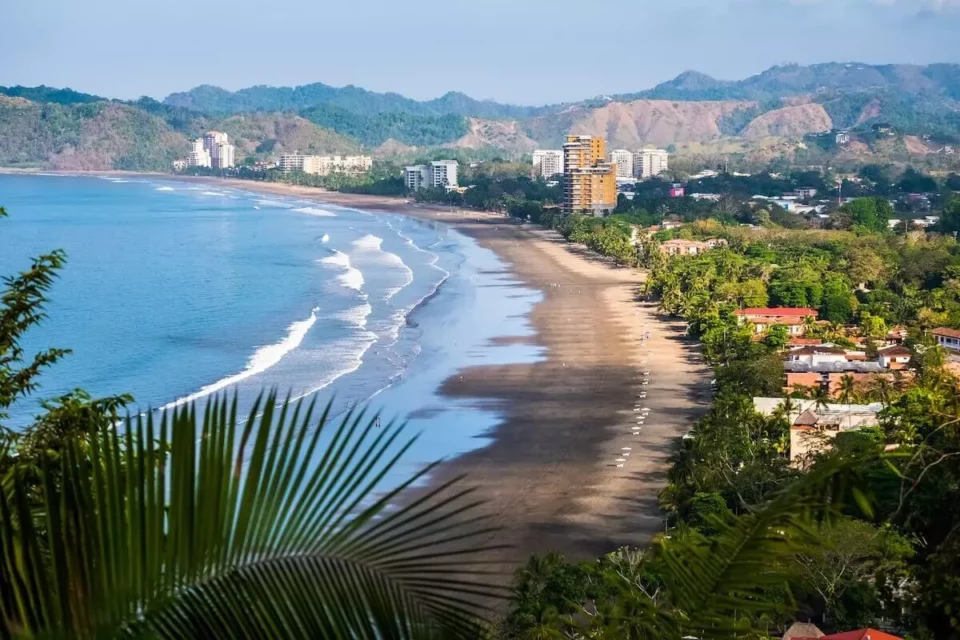
Jacó sits closest to San José, making it a favorite for people who want beach living without sacrificing quick access to the airport or top hospitals. The town has a lively energy, plenty of restaurants, and grocery stores stocked with familiar US brands.
It also gets crowded during peak tourist season, and development along the coast is denser than in quieter beach towns further south.
The Central Valley
Towns like Atenas, Grecia, and Escazú sit in the mountains surrounding the capital and offer some of the best weather in the country year round. Temperatures stay mild enough that most homes need neither air conditioning nor heating.
Cost of living tends to run lower here than at the coast, and residents get quick access to hospitals, international schools, and shopping. The main tradeoff is distance. Reaching the beach means a drive of a few hours, and city traffic around San José can be heavy during peak commute times.
Building Community: How to Avoid the Expat Bubble
It is easy to settle into a town like Tamarindo or Escazú and spend most of your time around other Americans. Doing so, though, means missing much of what makes Costa Rica worth moving to in the first place. A few habits make a real difference.
- Learn basic Spanish. Ticos are patient and encouraging with anyone making an effort, even when the grammar is not perfect.
- Shop at the feria. The weekly farmers market offers fresher produce at lower prices than the imported sections of larger grocery stores, and it is a natural way to meet neighbors.
- Show up for local events. Community festivals, holidays, and gatherings offer an easy way into the culture beyond the expat social circle.
Small efforts like these tend to pay off quickly, turning a temporary adjustment period into a genuine sense of belonging.

Relocation Cost Guide Costa Rica: What You Will Really Spend
Costa Rica is not the bargain destination it was a decade ago, but it still offers strong value compared to most US cities, especially for anyone willing to live like a local rather than import their old lifestyle.
Monthly Budget Expectations
Sticking to imported groceries, running air conditioning around the clock, and eating out at tourist focused restaurants will push a budget close to what you would spend in a mid sized American city. Shift toward local habits instead, fresh fish, rice, beans, seasonal fruit, and natural airflow rather than AC, and a couple can live comfortably on $2,500 to $3,500 a month, rent included.
Renting Versus Buying a Home
Most relocation experts recommend renting for at least six months to a year before buying anything. It gives you time to test a neighborhood’s climate, community, and commute before committing to a purchase. A comfortable two bedroom home rents for around $800 a month in the Central Valley, climbing past $2,500 in prime coastal spots.

Foreigners hold the same property rights as Costa Rican citizens, which makes buying straightforward on paper. Still, work with a bilingual, reputable real estate attorney to confirm a clear title, particularly for coastal properties where boundary and zoning issues come up more often.
Working Remotely and the Digital Nomad Visa
Costa Rica’s economy runs largely on tourism, agriculture, and foreign investment, and local labor law generally reserves Costa Rican jobs for residents and citizens. Unless you hold permanent residency, working for a local company is not an option, though starting your own business or working remotely for a foreign employer is fully allowed.
The country’s Digital Nomad Visa has made remote work especially appealing. Remote workers earning at least $3,000 a month, or $4,000 for families, can stay for up to two years, skip local income taxes, and bring in work equipment duty free.
Relocation Tips for Moving to Latin America: Customs, Shipping, and Logistics
The part of this move people underestimate most is customs and shipping. Latin American import regulations are strict, and small paperwork errors can turn into expensive delays.

Import Taxes and Customs Rules
Costa Rica applies steep import taxes on many goods entering the country, particularly new electronics, high end appliances, and luxury items. Used household goods and personal belongings generally receive better treatment, but only if the inventory paperwork is accurate and complete.
A single mistake on that inventory list can leave a shipping container held up at the port of Limón or Caldera for weeks, racking up storage fees the entire time. This is one area where working with experienced long distance movers to Costa Rica makes a real difference, since accurate documentation from the start avoids most of these headaches entirely.
Car Shipping to Costa Rica
Vehicles carry hefty import duties in Costa Rica, often between 30% and 50% of the car’s value. Even accounting for shipping costs and taxes, car shipping to Costa Rica is frequently more affordable than buying a used vehicle locally, where prices run high and condition can be unpredictable.
SUVs with good ground clearance and 4×4 capability are worth prioritizing, since road conditions vary widely once you are outside the main cities.

Why Long Distance Movers to Costa Rica Matter for This Move
A move of this scale involves more moving parts than a typical domestic relocation, and having the right long distance movers to Costa Rica on your side changes how smooth the process feels. My International Movers has handled Central American relocations from major hubs like Miami, Los Angeles, Houston, and Dallas, coordinating everything from door to door pickup and delivery to full customs clearance paperwork on the Costa Rican side.
Specialty items get extra attention too, whether that is a surfboard headed to the Pacific coast, a home office setup for remote work, or fragile heirlooms that need custom crating. Add on services like full packing and unpacking, secure storage while house hunting, and vehicle transport handled start to finish round out a relocation plan that lets you focus on the move itself rather than the logistics behind it.
Final Thoughts: Is Moving to Costa Rica from the USA Right for You
Moving to Costa Rica from the USA is a significant decision, but for the thousands of Americans who have already made the leap, it tends to be one they do not regret. Between the healthcare system, neighborhoods suited to nearly any lifestyle, and a culture built around genuine community, the adjustment period is usually short lived.
Most people who make this move say the same thing after the first year: the paperwork was the hard part, not the lifestyle. Once the bank account is open, residency is sorted, and the boxes are unpacked, daily life settles into something calmer and more deliberate than what they left behind.
Getting your belongings there safely is the one part worth leaving to people who do it every day. With the right long distance movers to Costa Rica handling the customs paperwork, the shipping, and the logistics, the rest of the move can feel like exactly what it should: the start of a new chapter.
FAQ
Can I live in Costa Rica on Social Security income alone?
Yes. The Pensionado retiree visa requires proof of at least $1,000 a month in guaranteed lifetime income, such as Social Security. Many retirees settle comfortably on $1,500 to $2,000 a month outside the more touristy areas.
Is Costa Rica safe for American expats?
Costa Rica is regarded as one of the safest countries in Latin America, with a stable democracy and no standing army. Petty theft does happen, so basic precautions like securing your home and staying alert at night apply here just as they would anywhere else.
Do I need to speak Spanish before moving?
Fluency is not required, especially in expat heavy areas, but conversational Spanish goes a long way. It helps with everyday tasks like dealing with a mechanic or a government office, and it shows respect for the culture you are joining.
How reliable is internet access for remote work?
Fiber optic internet is now widely available in the Central Valley and most popular expat regions. Power outages do happen during the rainy season, so a backup battery for your router and computer is a smart investment.
How long does shipping household goods usually take?
Ocean freight from the US typically takes 4 to 8 weeks, depending on your departure port, destination, and how quickly customs clears the shipment.