
Picture swapping your cramped Miami apartment for a French-style balcony above cobblestone streets, with monthly costs a fraction of what you pay today. For freelancers, bootstrapping founders, and digital nomads, moving from Miami to Argentina has become one of the smartest lifestyle upgrades around, and Buenos Aires is the reason why.

Why Miami Professionals Are Heading South
Miami has a lot going for it, but the price of living there keeps climbing. Rent, dining, and everyday expenses now eat up a large share of even a healthy income. For people who earn online and can work from anywhere, that math no longer adds up.
Buenos Aires offers a different deal. You get a major world city with rich culture and beautiful streets, but your money goes much further. If your clients or your paycheck are in the United States and your laptop is your office, relocation to Buenos Aires lets you keep your income while lowering your cost of living in a serious way.
Buenos Aires: The Paris of Latin America
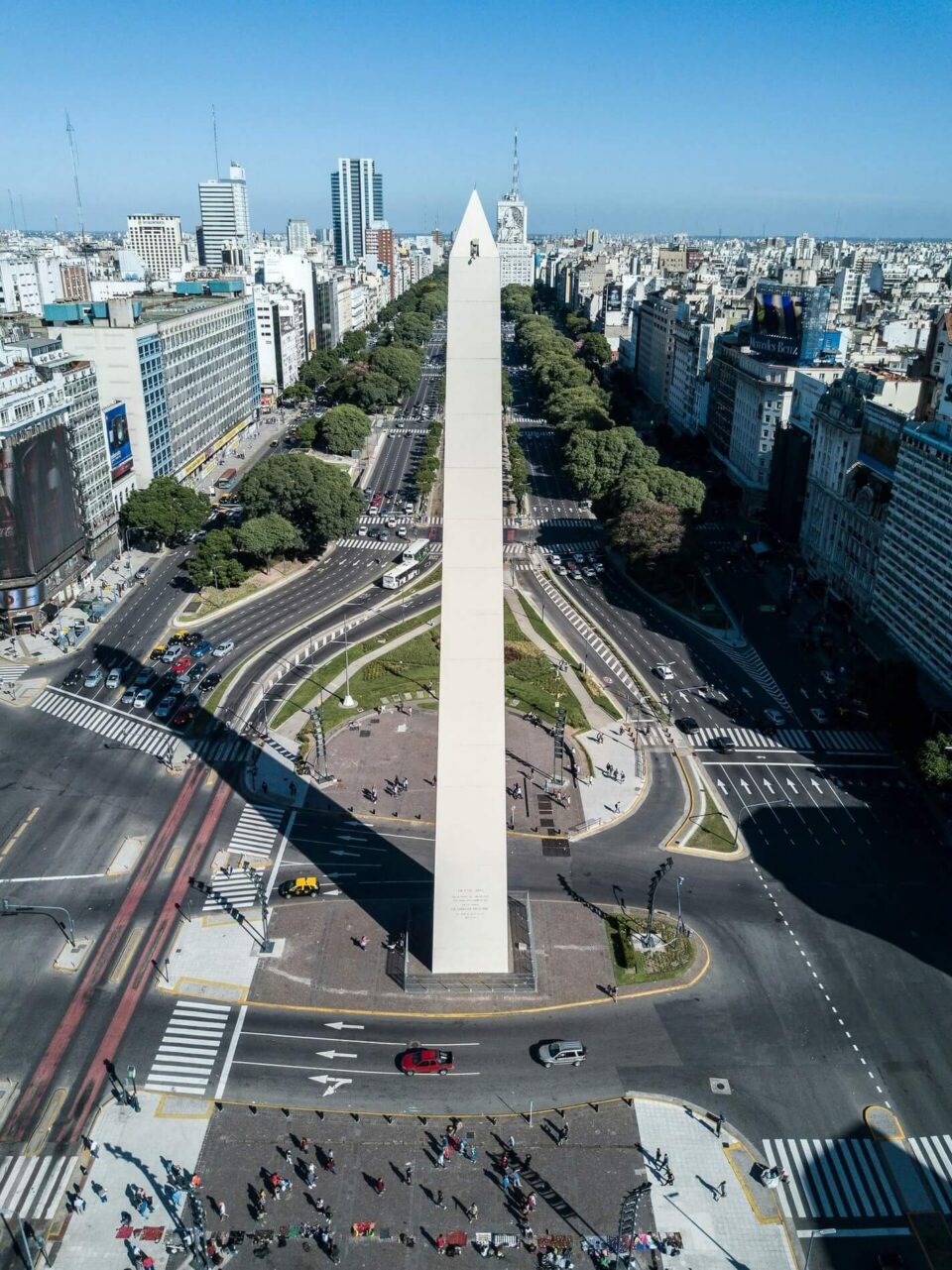
Buenos Aires earns its nickname. Grand French facades line entire avenues, wide boulevards open onto leafy plazas, and ornate balconies look like they belong on a Parisian postcard. What makes the city special is the blend of influences. You get European architecture on the outside, a warm South American temperament on the inside, and Spanish as the everyday language.
When you relocate here, you are not just changing your address. You are upgrading the way your daily life looks and feels, from your morning coffee spot to the view from your window.
The Best Expat Neighborhoods in Buenos Aires
The right neighborhood shapes your whole experience. Three areas stand out among expats and remote workers.
- Palermo (Soho and Hollywood): The heart of the digital nomad scene. Tree-lined streets, laptop-friendly cafes, independent boutiques, and a lively cocktail culture make it ideal for anyone who works online.
- Recoleta: The closest thing to living in central Paris. Elegant mansions, high-end shops, and the famous Recoleta Cemetery give the area a refined, old-world feel.
- Belgrano: Quieter and more residential. Large parks, respected international schools, and a strong food scene make it a great fit for established founders and families who want more room to breathe.
Each one has its own personality, so it pays to spend a little time in a couple of them before you sign a lease.
The Blue Dollar and Your American Income
Here is the real reason remote workers keep heading south. Argentina runs on a dual-currency system, and understanding it is the key to living well on a normal US income.
There is the official government exchange rate, and then there is the Blue Dollar (Dólar Blue), a parallel rate used widely across the everyday economy. The Blue Dollar often gives you noticeably more Argentine pesos for each US dollar than the official rate does. For anyone paid in US dollars, that difference is where the real value lives.
The effect on your budget is clear. If your income comes from remote work, freelance clients, or a pension, your purchasing power rises the moment you arrive. A lifestyle that might cost around $8,000 a month in Miami, with regular steak dinners, a premium apartment, and weekend getaways, can often be maintained comfortably for a small fraction of that in Buenos Aires.
One honest note: exchange rates shift over time. It helps to check current numbers and lean on trusted local sources once you settle in, rather than assuming a rate stays fixed.
What Your Money Actually Buys Here
The gap between Miami and Buenos Aires shows up in nearly every expense. Here is a realistic look at the cost of living in Argentina for expats.
- Housing: A furnished, high-end one-bedroom apartment in Palermo or Recoleta usually runs between $600 and $1,200 per month. In Miami, that same budget barely covers a small studio on the edge of town.
- Dining out: Argentina is a paradise for food lovers. A proper bife de chorizo with a good bottle of Malbec at a well-regarded restaurant often costs $15 to $25.
- Healthcare: Private networks such as OSDE and Swiss Medical offer modern facilities and excellent doctors. Expats can secure solid monthly coverage for a small fraction of a typical US premium.
Put together, those savings free up money you can put back into your business, your travels, or simply a better quality of life.


Nightlife and the Tango Rhythm
Get ready to reset your internal clock. If you are used to American cities where kitchens close by 9:30 PM and the streets empty soon after, Buenos Aires will feel like a different world. This is a city built for the evening.
- Late dinners: Locals, known as Porteños, rarely sit down to eat before 9:30 PM, and many restaurants only fill up closer to 11 PM. Book a table before 8:30 PM and you may find yourself dining alone.
- Nights that stretch on: Theaters, cafes, and bookstores stay busy long after dark. The beautiful El Ateneo Grand Splendid, a former theater turned bookstore, is worth a visit on its own.
- Tango everywhere: The music runs through the city. You will catch spontaneous performances in the streets of San Telmo, or you can take lessons at a neighborhood milonga and learn the steps yourself.
The Time Zone Advantage
For remote workers, the schedule is a real bonus. Buenos Aires sits close to US Eastern time, so working with American clients feels effortless. You keep normal business hours during the day, then step out into a city that is only getting started when your workday ends. That balance is hard to find anywhere else.

Visas and Residency: Staying in Argentina the Right Way
One thing to sort out before you fall in love with your new balcony: how you plan to stay. Most people arrive on a 90-day tourist visa, which is enough to test the waters but not to build a life. If Buenos Aires is going to be home, you will want a longer-term option.
A few common paths for remote workers and founders:
- Digital Nomad Visa: Argentina introduced a dedicated visa for remote workers who earn income from foreign clients or employers. It is designed almost perfectly for the Miami professional making this move.
- Rentista Visa: Built for people with steady passive or foreign income, such as a pension or recurring freelance revenue. You show proof of monthly earnings and secure temporary residency.
- Student or work visas: Useful if you plan to study Spanish formally or take a local role down the line.
Rules and income thresholds change, so confirm the current requirements with the Argentine consulate before you book anything. Getting this right early saves you a scramble later.

Getting Settled: Internet, Money, and Getting Around
Once your paperwork is in motion, the day-to-day setup is refreshingly simple.
- Internet and connectivity: Buenos Aires has solid fiber coverage in the central neighborhoods, and most Palermo and Recoleta apartments come with fast, reliable Wi-Fi. Grab a local SIM from Personal, Claro, or Movistar for cheap mobile data while you work from cafes.
- Banking and spending: Many expats keep their US bank account and transfer money to take advantage of the Blue Dollar rate. Services like Western Union have long been a popular way to move dollars at favorable rates, and plenty of cafes, shops, and landlords still prefer cash.
- Getting around: You rarely need a car in the city. The SUBE card works across the subte (subway), buses, and trains for a few cents per ride, and taxis and ride-hailing apps are affordable for late nights out.
Add it all up and the logistics of daily life feel light, leaving you free to focus on your work and your new city.
The Customs Challenge Nobody Warns You About
Now for the part most guides skip. Argentina has some of the strictest and most complicated import laws in the world, and its customs authority, Aduana, is famously hard to deal with.
If you ship your laptops, monitors, and personal belongings through standard mail or an inexperienced mover, you take on real risk:
- Boxes held in customs warehouses for weeks or even months.
- Unpredictable import taxes applied to your own used possessions.
- Stacks of Spanish paperwork that require local legal knowledge to sort out.
This is exactly where My International Movers makes the difference. As experienced long-distance movers to Argentina, we have turned the hardest part of the move into something you barely have to think about.

My Security Customs: Your Clear Path Through Aduana
We built a dedicated process we call My Security Customs. Because we keep a local team of agents on the ground in Buenos Aires, we handle the Aduana process for you from start to finish. We prepare the paperwork, exemptions, and legal clearances before your shipment ever leaves the Port of Miami.
The goal is simple. You land, head to your new apartment in Palermo, and settle in, while we make sure your belongings arrive safely, legally, and without surprise fees.
Packing and Car Shipping to South America
An international move is stressful enough without worrying about bubble wrap and containers. That is why we offer full door-to-door service.
- Professional packing: Our crews in Miami pack your entire home with care, from fragile artwork to heavy electronics, so everything survives the journey intact.
- Car shipping to Argentina: Bringing your vehicle is possible, though the rules are specific and often limited to returning citizens or certain visa holders. Our logistics team reviews your eligibility and ships your car from the USA to the Port of Buenos Aires by Roll-On/Roll-Off (RoRo) or dedicated container.
Whether you are moving a full household or just your home office, we scale the service to fit your move.
Ready to Trade Miami for the Paris of the South?
Moving from Miami to Argentina is a genuine life upgrade. You keep your US income, enjoy beautiful architecture, eat some of the best food in the world, and stretch every dollar further than you thought possible. Do not let worry about Argentine customs hold you back from the move you have been dreaming about. Reach out to My International Movers for a free, no-obligation relocation and car shipping quote, and let our My Security Customs team clear the path to Buenos Aires for you.
FAQ
Do I need a special visa to live in Argentina as a remote worker?
Argentina offers a Digital Nomad Visa that lets remote workers stay legally for up to 180 days, with the option to renew. It is a practical way to test the lifestyle before you commit to anything long term.
Is Buenos Aires safe for expats?
Buenos Aires is considered one of the safer major cities in Latin America. As in any big city, common sense goes a long way, so keep an eye on your phone in crowded spots to avoid pickpocketing. Violent crime is uncommon, especially in expat-friendly areas like Recoleta and Palermo.
How long does shipping take from Miami to Buenos Aires?
Ocean freight usually takes 4 to 6 weeks port to port, plus time for customs clearance. If you need your home office sooner, we also offer faster air freight options.
Can I bring my pets?
Yes, Argentina is very pet-friendly. You will need a health certificate from a USDA-endorsed US veterinarian along with up-to-date rabies vaccinations. Our team can point you to trusted pet-relocation specialists to keep the trip smooth for your animals.