
Thousands of Americans are trading winter coats and rising bills for year-round sunshine, a lower cost of living, and the relaxed rhythm of life in Panama, yet moving across international borders is never a weekend project. The families who transition smoothly are almost always the ones who start planning early and lean on professional international moving services to Panama from day one.
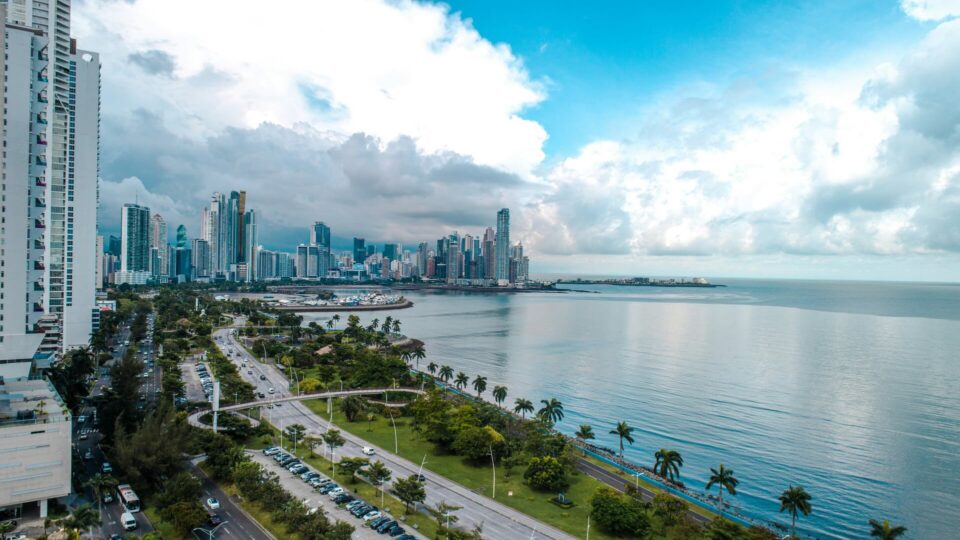
Why Panama Keeps Winning Over American Expats
Before you map out the logistics, it helps to understand why Panama sits near the top of almost every expat wish list. The shipping and travel routes between the United States and Panama are among the most established in the world, which makes the whole relocation process predictable for both you and your movers.
- The Pensionado visa: One of the most generous retiree programs on the planet. Qualified expats receive real, legally mandated discounts, including 25% off domestic flights, 50% off entertainment, 30% off public transport, and steep reductions on medical care.
- A US dollar economy: Panama uses the US dollar as official tender alongside the Balboa, which is pegged at a 1:1 ratio. You skip currency exchange risk, hidden conversion fees, and the stress of a volatile local currency.
- Easy travel and a familiar time zone: Panama runs on Eastern Standard Time for much of the year. Direct flights from Miami, Houston, or Atlanta take roughly three to five hours, so home is never far away.
- World-class healthcare: Modern hospitals in Panama City rival top US institutions at a fraction of the cost. Hospital Punta Pacifica, for example, is affiliated with Johns Hopkins Medicine International.
- The Friendly Nations visa: Younger professionals and entrepreneurs can secure residency by setting up employment, a business, or a real estate investment.
Phase 1 (Months 24 to 12): Research, Legal Groundwork, and Strategy
The first year of your plan turns a daydream into a concrete strategy. Your focus here is gathering solid information, sorting out legal requirements, and building a realistic timeline you can actually follow.
Sort Out Your Visa and Passport Early
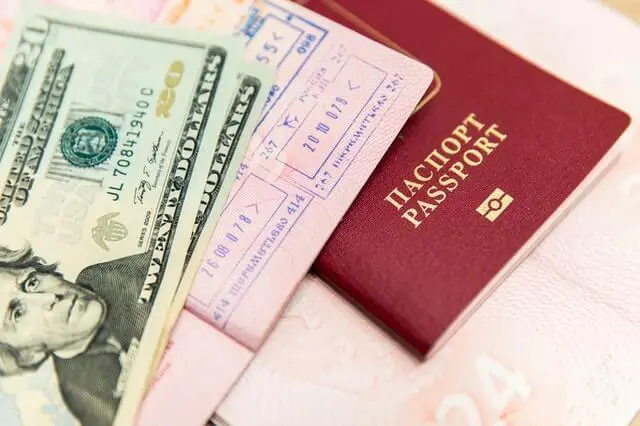
Residency options should be one of your first research projects. Decide whether you qualify for the Pensionado program or the Friendly Nations visa, then consult an immigration attorney based in Panama who handles these cases every day. While you are at it, check the expiration dates on every family member’s passport. Panama requires that your passport stay valid for at least six months beyond your arrival date, so renew anything that cuts it close.
Build a Smart Expat Tax Strategy
The United States taxes its citizens on worldwide income, no matter where they live. Book a consultation with a certified public accountant who specializes in foreign earned income exclusions and international taxation. A good CPA will show you how your US obligations line up with Panama’s territorial tax system, which does not tax income earned outside the country.
Take Real Scouting Trips
Never commit to a permanent move based on online photos alone. Plan at least two scouting trips in different seasons, ideally one in the dry season (December through April) and one in the green season (May through November). Use those trips to test real daily life:
- Shop in local grocery stores to gauge real prices.
- Tour the hospitals and clinics you would actually use.
- Ride the public transit and drive through the neighborhoods.
- Meet local expat groups who can share honest, current advice.

Phase 2 (Months 12 to 6): Finances and Downsizing
With a year to go, shift your attention to your money and your belongings. This is where you make the practical decisions that keep your international move affordable and manageable.
Master the Art of Downsizing
Moving overseas is the perfect excuse to simplify your life. Look at every item in your home with a critical eye, because heavy solid oak furniture and thick winter wardrobes rarely suit Panama’s warm climate or its modern apartment layouts.
- Sell: Host a garage sale, list items online, or sell high-value furniture to offset your moving budget.
- Donate: Pass usable goods to local community charities.
- Keep: Hold on to sentimental heirlooms, high-end electronics, and anything genuinely hard or costly to replace abroad.
Handle Real Estate and Vehicles
If you own a home in the United States, decide early whether to sell it or hand it to a rental management company, then time your listing so the closing lines up with your departure window. Your car deserves the same honest math. Car shipping to Panama is a straightforward service, but Panama’s humidity, narrow city streets, and import taxes often make buying a reliable all-wheel-drive SUV locally the smarter choice. If you do decide to export your vehicle, make sure the title is clean, because any lien will block overseas shipping.
Learn the Language and Cancel Contracts
English is common in tourist zones and corporate offices, but a little conversational Spanish will transform your daily life and help you settle in faster. Start with a language app or a tutor now, while there is no pressure. At the same time, audit your US subscriptions, memberships, utility contracts, and insurance policies so you can cancel them cleanly before you leave and avoid early termination fees.


Phase 3 (Months 6 to 0): Execution and Final Preparations
The last six months are all about action, precision, and a bit of emotional preparation. Everything you researched now turns into a real moving plan.
Gather Medical Records and Prescriptions
Collect complete medical, dental, and immunization records for everyone in the family. Ask your doctors for extended prescriptions so you have a comfortable supply of essential medications for your first months in Panama, which gives you time to establish care with local physicians in the city’s modern hospitals.
Pack in Zones, Not in a Panic
Do not leave your packing for the final month. Divide your home into zones and start with the things you rarely touch, such as seasonal gear, books, and spare linens. Keep your last few weeks free for the people who matter, because a proper goodbye to family and friends is worth far more than one more rushed box.
Cost of Living in Panama: What to Budget
Understanding the real cost of living in Panama keeps your budget honest. Panama offers excellent value compared with major US cities, though your final numbers depend heavily on your lifestyle and the area you choose.
| Expense Category | Estimated Monthly Cost (USD) | Notes for Expats |
|---|---|---|
| Luxury City Apartment Rent | $1,200 to $2,500 | 2 to 3 bedroom condo in prime Panama City areas |
| Mountain or Beach Home Rent | $800 to $1,600 | Boquete, Coronado, or El Valle de Antón |
| Utilities (power, water, gas) | $100 to $250 | Higher if you run the AC constantly |
| High-Speed Internet and TV | $50 to $80 | Reliable fiber-optic networks widely available |
| Groceries (2 people) | $400 to $600 | Local produce is cheap; imported US brands cost more |
| Private Health Insurance | $150 to $350 | Varies by age, health history, and coverage limits |
| Dining Out and Entertainment | $200 to $500 | Generous discounts available with Pensionado status |
Renting vs. Buying: Navigating the Panama Housing Market
Buying property in a new country takes patience and local insight. A little caution early on protects you from expensive mistakes later.
Rent First, Buy Later
Even if you fully intend to buy a home, most seasoned expats will tell you to rent for your first 6 to 12 months. Living in a neighborhood day to day reveals details a short visit never will, including traffic patterns, noise levels, the walk to the nearest grocery store, and the small microclimates that make one street cooler than the next.
Strong Property Rights for Foreigners
Panama’s constitution gives foreign buyers the same property rights as local citizens. You can purchase titled property in your own name or through a Panamanian corporation or foundation for estate planning. Whatever route you choose, hire an independent real estate attorney to verify the title, check for liens, and confirm zoning before you hand over any deposit.

Best Neighborhoods in Panama City and Beyond
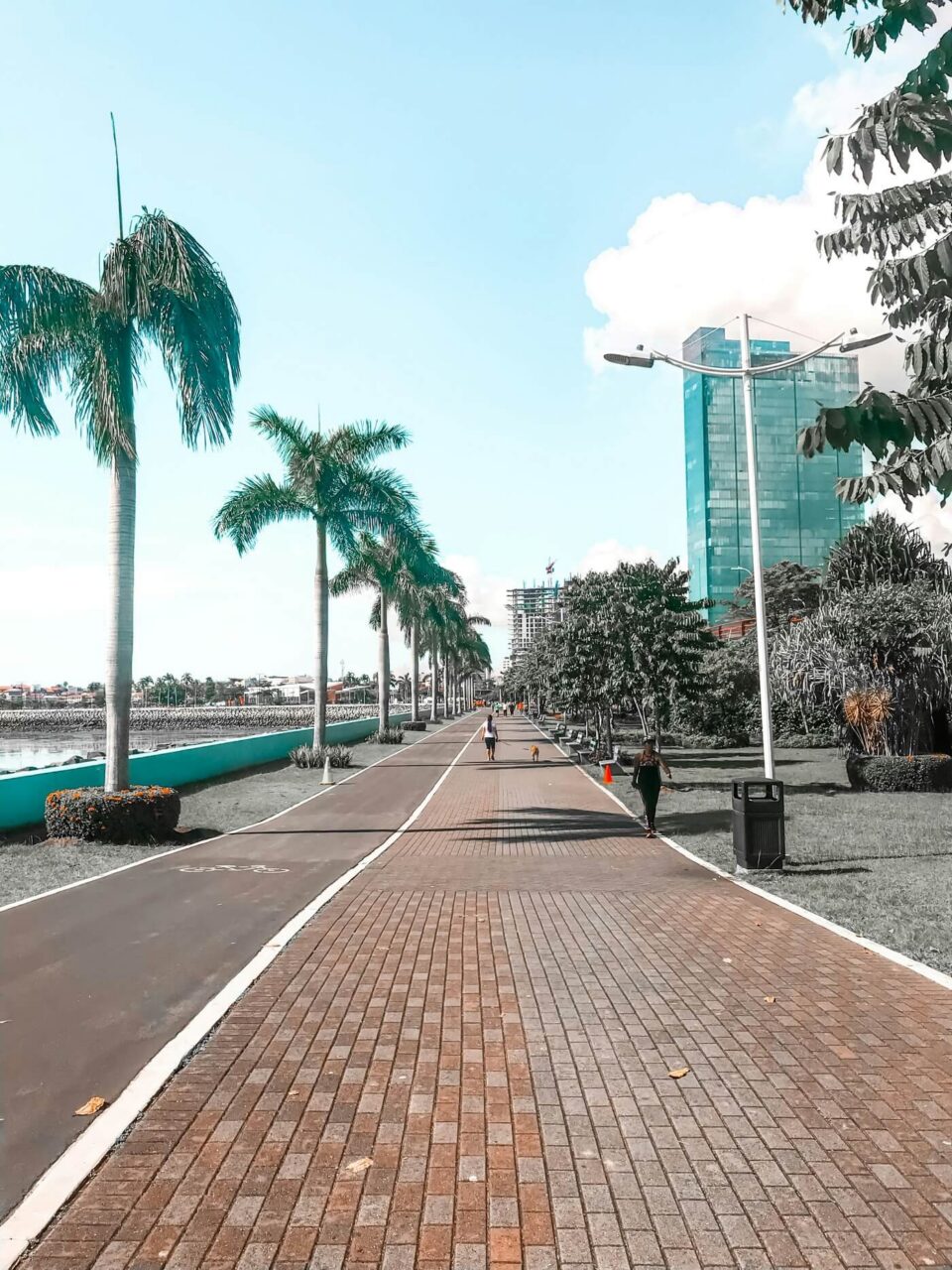
Where you settle comes down to the pace of life you want, your climate preferences, and how you like to spend your days. Panama offers two very different worlds: the energy of the capital and the calm of the countryside.
Urban Hotspots in Panama City
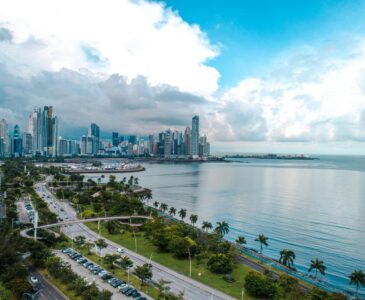
- Punta Pacifica and Paitilla: High-rise luxury condos with Pacific Ocean views, strong security, and walking access to premier malls and Punta Pacifica Hospital.
- San Francisco: A lively, family-friendly district full of cafes and restaurants, anchored by Omar Park, the city’s answer to Central Park.
- Casco Viejo: The historic colonial quarter, made for anyone who loves cobblestone streets, rooftop bars, and rich culture.
Relaxed Expat Havens
- Boquete: Tucked into the Chiriquí Highlands, famous for its spring-like weather, mountain views, and a well-established expat community.
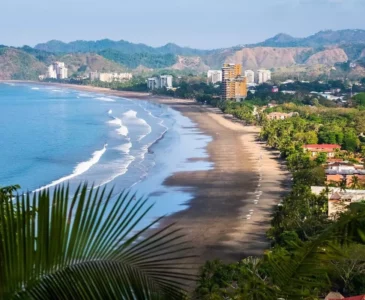
- Coronado: A Pacific beach town about two hours from the capital, with gated estates, golf courses, and modern supermarkets and clinics.
- El Valle de Antón: A peaceful town inside the crater of an extinct volcano, ideal for nature lovers who want cooler air and lush surroundings.
Packing Services and Add-Ons That Protect Your Belongings
Moving your life across an ocean means navigating complex sea and air logistics. Trying to pack fragile electronics or high-value furniture yourself often leads to expensive damage in transit, which is exactly where professional help pays for itself.
Full-Service Export Packing
Professional movers use export-grade materials built for ocean shipping. Fragile items, artwork, and electronics get wrapped in heavy-duty corrugated paper, custom wooden crates, and moisture-resistant barriers designed to handle the humidity inside a shipping container.
Specialty Add-On Services
- Custom crating for artwork, mirrors, marble tabletops, and antiques.
- Vehicle transport prep with tie-down systems inside a full container load to stop shifting in transit.
- Pet relocation covering veterinary health certificates, Panamanian import permits, and comfortable air travel.
- Secure storage in climate-controlled facilities in the US or Panama if your new home is not ready on arrival.

What Living in Panama Is Really Like
Relocating abroad is as much a cultural shift as a physical one. Understanding a few local rhythms makes daily life far more enjoyable and far less frustrating.
The “Tranquilo” Pace of Life
In the United States, speed and efficiency drive almost every transaction. Panama moves to a calmer, more conversational beat. Administrative errands, service calls, and repairs can take longer than you expect, so a little patience and a warm smile go a long way toward keeping your stress low.
Two Seasons, Not Four
Panama has two main seasons: the dry season, called Verano, from December to April, and the green rainy season, called Invierno, from May to November. Tropical showers tend to be brief and intense, usually followed by sunshine, which is what keeps the whole country so green year-round.
My International Movers: Your Partner from Day One
The biggest mistake people make when moving abroad is waiting until the last minute to bring in a logistics company. At My International Movers, we treat your relocation as a full process that starts long before shipping day.
We genuinely encourage you to reach out at the very start of your two-year plan. You do not need a firm departure date or a finished inventory list to begin the conversation. The moment you get in touch, we pair you with your own My Move Manager, an expert guide who stays with you from research to arrival and advises you on the details that save the most money and stress:
- Customs exemptions: How to make the most of duty-free import allowances, including those tied to Pensionado status.
- Container choices: Whether a shared container load (LCL) or a dedicated full container load (FCL) protects your belongings best while keeping costs down.
- Packing timelines: A structured schedule that turns a complex international move into an organized, predictable experience.
With the right team behind you, your move to Panama runs on strategy rather than luck. Reach out today for a personalized quote and let us turn your two-year plan into a smooth, well-managed reality.
FAQ
How far in advance should I book my international mover?
Reach out as soon as you decide to move, ideally 12 to 24 months ahead. The physical packing happens closer to departure, but early conversations let you structure your downsizing, organize customs paperwork, and lock in favorable shipping routes.
Can I bring my pets to Panama?
Yes, Panama welcomes pets. Dogs and cats need a health certificate signed by a licensed veterinarian, USDA certification, an official rabies vaccination record, and an approved Panamanian home-quarantine permit filed before arrival.
What items are restricted or prohibited when shipping to Panama?
Standard international restrictions apply. Prohibited items include firearms, ammunition, hazardous chemicals, perishable foods, plants, live seeds, and illegal substances. Your dedicated move manager will give you an exact, current list of restricted cargo.
How long does container transit take from the US to Panama?
It depends on your departure port. Shipments from the East Coast and Gulf Coast, such as Florida or Texas, usually take 10 to 20 days port to port, while West Coast shipments run closer to 15 to 25 days. Always leave extra room for customs clearance on arrival.